Chikungunya Virus: The Neglected Threat Behind Severe Joint Pain
Often overshadowed by its more famous viral cousins like Dengue and Zika, the Chikungunya Virus Infection is a formidable public health threat that deserves far greater attention. While its mortality rate may be comparatively lower, the virus inflicts a debilitating and often long-lasting suffering, primarily manifesting as severe joint pain that can drastically diminish a person's quality of life. This article delves into the origins, impact, and crucial preventative measures surrounding this "bending virus" that continues to challenge communities worldwide.
What Exactly is the Chikungunya Virus?
Chikungunya disease is a viral illness transmitted to humans through the bite of infected mosquitoes, specifically the Aedes aegypti and Aedes albopictus species. Belonging to the Togaviridae family and the Alphavirus genus, the virus has a rich and poignant history that dates back to its first identification in human serum in 1952 on Tanzania's Ma-konde Plateau. It is from the Makonde language that the virus derives its name, "Chikungunya," meaning "that which bends up." This descriptive term vividly captures the stooped posture and excruciating joint pain that sufferers often endure, a hallmark symptom that can persist for months or even years after the initial infection.
The transmission mechanism of Chikungunya is a critical aspect of understanding its spread. These Aedes mosquitoes are primarily day-biting and thrive in urban and semi-urban environments, laying their eggs in stagnant water containers around homes and communities. This makes personal protection and community-wide mosquito control efforts paramount in curbing the spread of the virus. To learn more about how these vectors facilitate the virus's journey across continents and through history, explore Chikungunya's Global Reach: History, Outbreaks, and Mosquito Transmission.
Chikungunya: The Neglected Global Health Challenge
Despite its significant impact, Chikungunya Virus Infection often goes neglected, sometimes even being referred to as the "nicer" sibling of Dengue infection. However, this perception is dangerously misleading. While its direct mortality rate is indeed lower, Chikungunya boasts a high morbidity rate, meaning it causes widespread illness and long-lasting health issues that create substantial economic and social burdens. The sheer scale of its global emergence and re-emergence underscores its status as a serious public health threat.
Historically, numerous outbreaks have punctuated global health records. Following its initial identification, the virus experienced a massive resurgence in Congo in 2000, leading to a global emergence by 2004. The years 2005-2006 saw a devastating outbreak on the Indian Ocean Island of La Réunion, part of France, affecting an estimated 300,000 people and tragically causing 237 deaths. Subsequently, the virus swept through Asia, infecting over 100,000 in Sri Lanka and a staggering 1.3 million in India, before spreading to Southeast Asian nations like Indonesia. Even Europe experienced a localized outbreak in Italy in 2007, traced back to an international traveler. By 2015, the US-CDC officially recognized CHIKV as a notifiable disease, reflecting its growing global significance.
Over the past two decades, more than 10 million cases of Chikungunya have been reported in over 125 countries, with re-emergence occurring at irregular intervals of 2–20 years. The latest reported outbreak occurred in the Malé and Hulhu-malé regions of the Maldives during March-May 2024, a testament to its persistent presence. In Indonesia, the virus has been a recurrent challenge since its first recognized outbreak in Samarinda in 1973. A nationwide epidemic in 2009-2010 saw 137,655 cases, with a smaller outbreak in 2013 adding 15,324 more. Indonesia has also been identified as a potential source of international transmission, with infected travelers returning from Indonesia to Taiwan and Japan contributing to imported cases. The pervasive nature and debilitating consequences of Chikungunya demand a more proactive and globally coordinated public health response.
Navigating the Pain: Symptoms and Long-Term Impact of Chikungunya
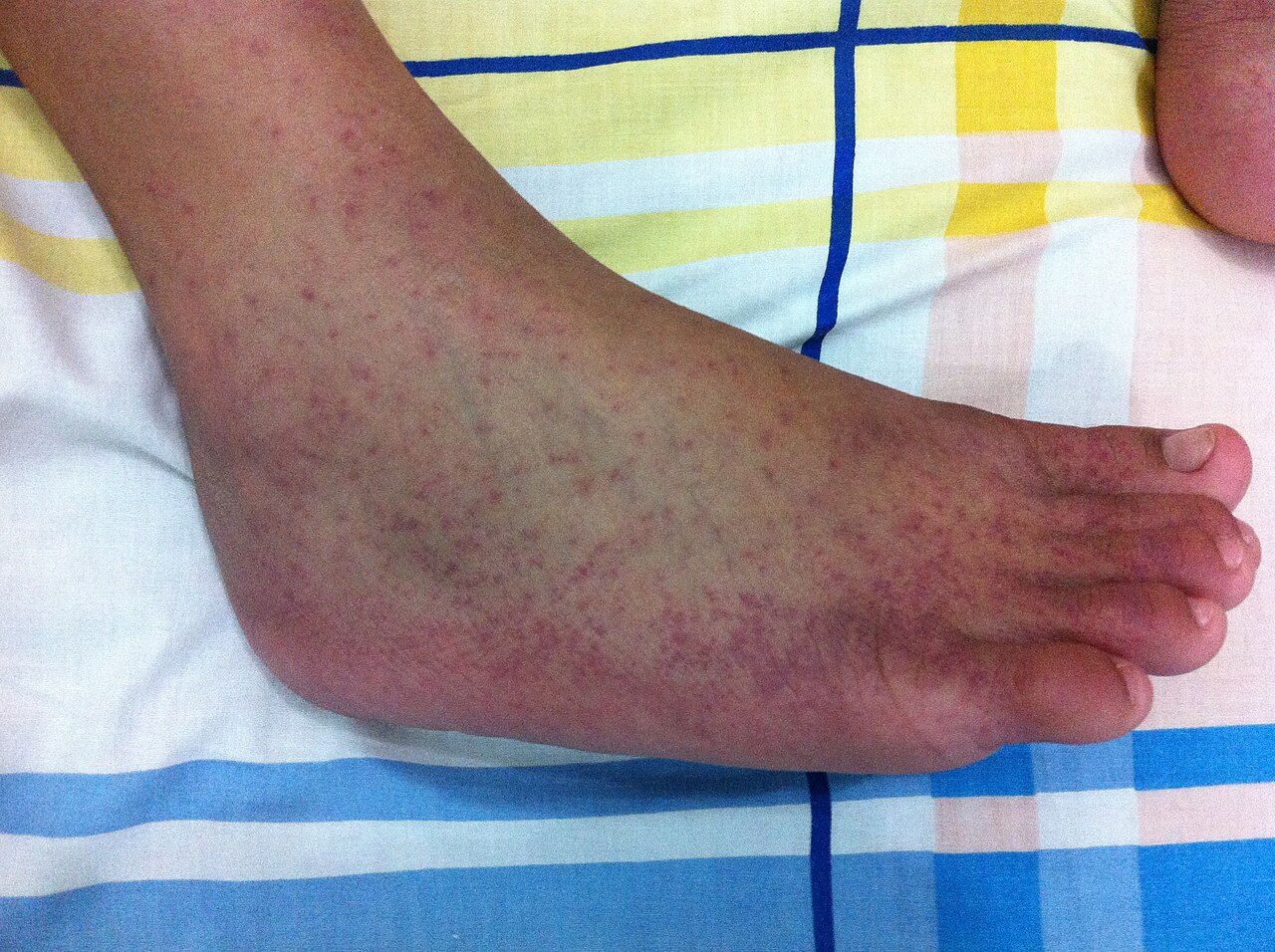
The acute phase of Chikungunya Virus Infection typically presents with a sudden onset of symptoms that can be quite severe. Common indicators include a high fever, intense headache, skin rash, and importantly, widespread and excruciating joint pain (polyarthralgia). This pain is often symmetrical, affecting joints on both sides of the body, and can be so severe that it forces individuals into a stooped or "bent-up" posture, hence the virus's name.
What truly sets Chikungunya apart and contributes significantly to its morbidity is the potential for chronic, long-lasting symptoms. While the fever and rash usually subside within a week, the joint pain can persist for weeks, months, or even years after the initial infection. This chronic arthralgia can lead to significant disability, affecting daily activities, work productivity, and overall quality of life. Patients often report stiffness, swelling, and reduced mobility in affected joints, mimicking other rheumatic conditions. The psychological toll of living with persistent pain can also be substantial, leading to anxiety and depression.
Currently, there is no specific antiviral drug or vaccine available to treat or prevent Chikungunya Virus Infection. Treatment is purely symptomatic, focused on relieving the distressing symptoms. This often involves managing pain with over-the-counter analgesics like paracetamol, ensuring adequate rest, and maintaining hydration. For those experiencing chronic joint pain, physiotherapy and long-term pain management strategies, often guided by a healthcare professional, become crucial. Understanding the nuances of these symptoms and available relief measures is vital for patients and caregivers alike. Dive deeper into managing the discomfort by reading Living with Chikungunya: Understanding Symptoms and Symptom Relief.
Stepping Up Prevention: Safeguarding Against Chikungunya
Given the absence of a specific cure or vaccine, prevention remains the most powerful weapon against Chikungunya Virus Infection. Effective prevention strategies hinge on reducing exposure to infected mosquitoes and controlling their populations. This requires both individual action and community-wide public health initiatives.
Practical Prevention Tips:
- Eliminate Breeding Sites: Regularly empty, clean, or cover containers that can hold water, such as buckets, flower pots, tires, and pet water dishes. Mosquitoes can breed in even small amounts of standing water.
- Personal Protection:
- Use insect repellents containing DEET, picaridin, IR3535, or oil of lemon eucalyptus on exposed skin.
- Wear long-sleeved shirts and long pants, especially during peak mosquito activity hours (daylight hours for Aedes mosquitoes).
- Use mosquito nets while sleeping, particularly in areas without screened windows or air conditioning.
- Ensure windows and doors have intact screens to keep mosquitoes out of homes.
- Community Involvement: Participate in local mosquito control programs and educate neighbors about prevention methods.
- Travel Smart: If traveling to areas where Chikungunya is prevalent, be extra vigilant with personal protective measures and research local outbreak information.
Beyond prevention, accurate and timely diagnosis is crucial. While there's no cure, a correct diagnosis helps distinguish Chikungunya from other febrile illnesses like Dengue or Zika, allowing for appropriate symptomatic management and preventing unnecessary use of certain medications that might worsen the condition. Public health surveillance systems play a vital role in monitoring outbreaks, understanding virus patterns, and implementing targeted interventions to protect communities.
Conclusion
The Chikungunya Virus Infection is far more than a minor ailment; it is a significant, often overlooked, public health threat capable of causing prolonged and debilitating suffering, with severe joint pain being its most infamous hallmark. Its widespread outbreaks across continents and its persistent re-emergence patterns underscore the urgent need for heightened awareness, robust surveillance, and comprehensive prevention strategies. By understanding the virus, taking proactive measures to control mosquito populations, and protecting ourselves from bites, we can collectively mitigate the impact of this neglected disease and strive for a future where fewer lives are "bent up" by its painful legacy.